Same taste, same scramble.
One side only takes - the other gives back.
So switching to lupin isn't a sacrifice:it's the obvious move
Animal suffering, emissions, and dependence, packed into every carton. We're so used to it that we've stopped seeing the price.
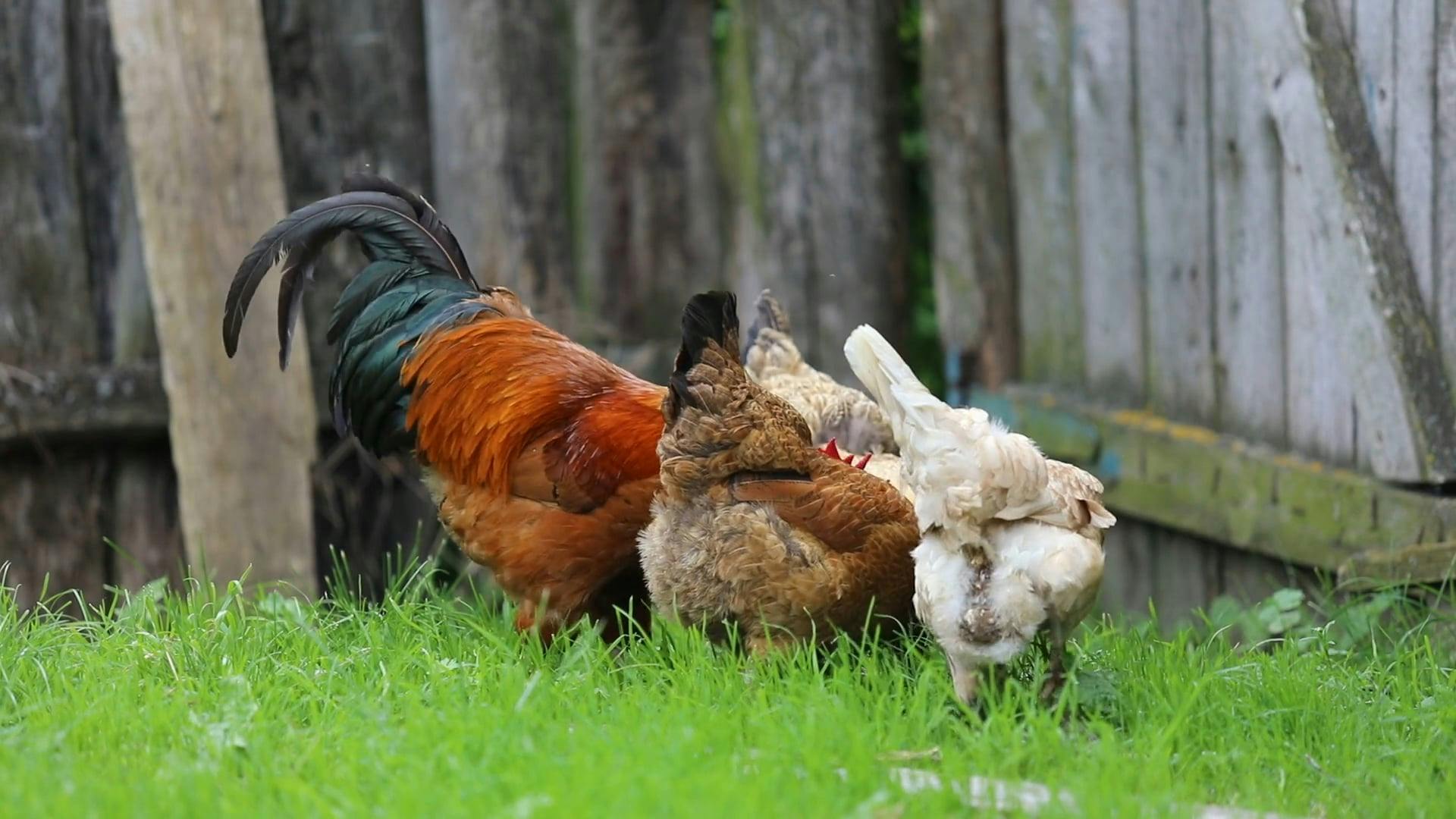
Behind every egg is a hen we raise, feed, and ultimately send to slaughter.
Poultry farms are roughly a quarter of Dutch farming's fine dust, and ammonia is its largest gaseous emission.
Laying hens eat imported soy. The Netherlands is the EU's largest soy importer.
Even the most sustainable egg farm, solar-powered and fed on food-industry leftovers, still takes from the earth. It can lighten the load, but it never gives fertility back. A lupin field does.
Lupin doesn't just do less harm. It works for the land it grows on. Better for the soil, for biodiversity, and for our independence.
NoEgg Fibers are the base. Scramble is those same fibers, folded through a plant-based egg sauce.
Lupin fibers: loose, pale-golden strands with the texture of scrambled egg and a light bite. Our Scramble is just one way to use them: they slot into whatever your product line asks for, supplied frozen and ready to go straight into production.
Individually quick frozen, so you portion exactly what you need without thawing the rest.
A light bite that survives the wok instead of turning to mush.
Grown on Dutch fields by our partner Lekker Lupine.
The same lupin fibers, folded through a plant-based egg sauce. Soft, golden, and it scrambles, folds and bakes just like the egg you know.
Folds, sets and browns in the pan. No new technique to learn.
The lupin behind it feeds nitrogen back into the field it grew on.
A bean, grown at home, turned into breakfast.
Not yet in wholesale or retail. We're building that now. Producers can order NoEgg Fibers in bulk today, and we're selecting pilot kitchens for Scramble.
Become a pilot customerNoEgg Fibers and Scramble contain lupin, one of the fourteen allergens the EU requires to be declared (Regulation 1169/2011). People with a peanut allergy can also react to lupin.
Two founders, one conviction: the food we eat shouldn't deplete our only planet.
We started with one aim: food from crops that restore the soil. Organic by default. Then lupin came along, and we fell in love.
The soil feeds the plant. The plant restores the soil. The bean feeds us. A loop that keeps giving back.
Lupin takes nitrogen from the air and unlocks phosphate already in the ground.
It builds organic matter, so even the crops that follow grow better.
We harvest the bean and turn it into a scramble you actually want to eat.
Where a barn takes, a lupin field returns. We get our scramble. The earth gets its fertility back.
Swap chicken eggs for lupin scramble and two things change: hens no longer live and die for your breakfast, and reactive nitrogen stops leaking into air and water. Move the slider to see what your own switch is worth in a year.
Nitrogen figure is a working estimate pending verification with the Louis Bolk Institute. Animal figures use ~300 eggs per hen per year.
How we calculate thisDutch fields at the core. An organic fallback as the safety net.
Our organic lupin comes from Dutch fields, sourced through our partner Lekker Lupine and their network of experienced organic growers, with full traceability from field to food. Lupin prefers light, slightly acid, lime-poor soil, and exactly those conditions are found across substantial parts of the Dutch sandy and reclaimed arable regions. Should the Dutch harvest ever run short, we fall back on an organic alternative, through a supply chain Lekker Lupine has already built. As a major buyer, we give growers the certainty to switch to lupin at a fair price.
Our partner for organic lupin
Lekker Lupine · lekkerlupine.nl
We're looking for pilot kitchens: foodservice groups and multi-location formulas that want NoEgg on real menus. Producers can order NoEgg Fibers in bulk today, and if you're in retail, we'd love to talk early.
Drop us a line about partnerships, growing lupin, or tasting the scramble. We read every message.